Four years after The Expanded Language Access Law was adopted in New York, state representatives are now opening discussions around the official inclusion of American Sign Language (ASL). This blog looks back at how the legislation has evolved, why it matters for communities across the state, and where language access policy is headed next.
The Law Goes into Effect
July 1, 2022
The Expanded Language Access Law was first adopted in April 2022 and went into effect on July 1, 20222 across New York State. This law required all state agencies to provide free, professional interpretation in any language and translate vital documents into the top 12 non-English languages.
Spanish, Chinese, Russian, Yiddish, Bangla, Korean, Haitian Creole, Italian, Arabic, Polish, French, and Urdu - these languages became a starting point, not a limit.
This wasn’t just policy, it was recognition. Recognition that over 5.7 million New Yorkers speak a language other than English and recognition that 2.5 million people need clearer access to essential services.
The Office of Language Access (OLA) is Created
October 3, 2022
Enter the New York State Office of Language Access. With the launch of this office, language access from translation and interpreting to oversight and accountability all had a home.
Planning & Reporting for Interpreting & Translation Services
2023 - 2025
Agencies were asked to do more than comply, they had to plan. Language Access Coordinators were appointed and Language Access Plans were created and required to evolve every two years. These plans mapped out how agencies would:
- Translate critical materials
- Train staff
- Identify internal language resources
- Reach communities who need support
Annual reports were submitted by nearly 50 state agencies, providing self-reported data. A key finding from the report is the trend in spoken language interpreting services. Over the three-year period, this service has grown in both the number of languages requested and the total individuals served.
Expanding Accessibility into Healthcare
December 10, 2025
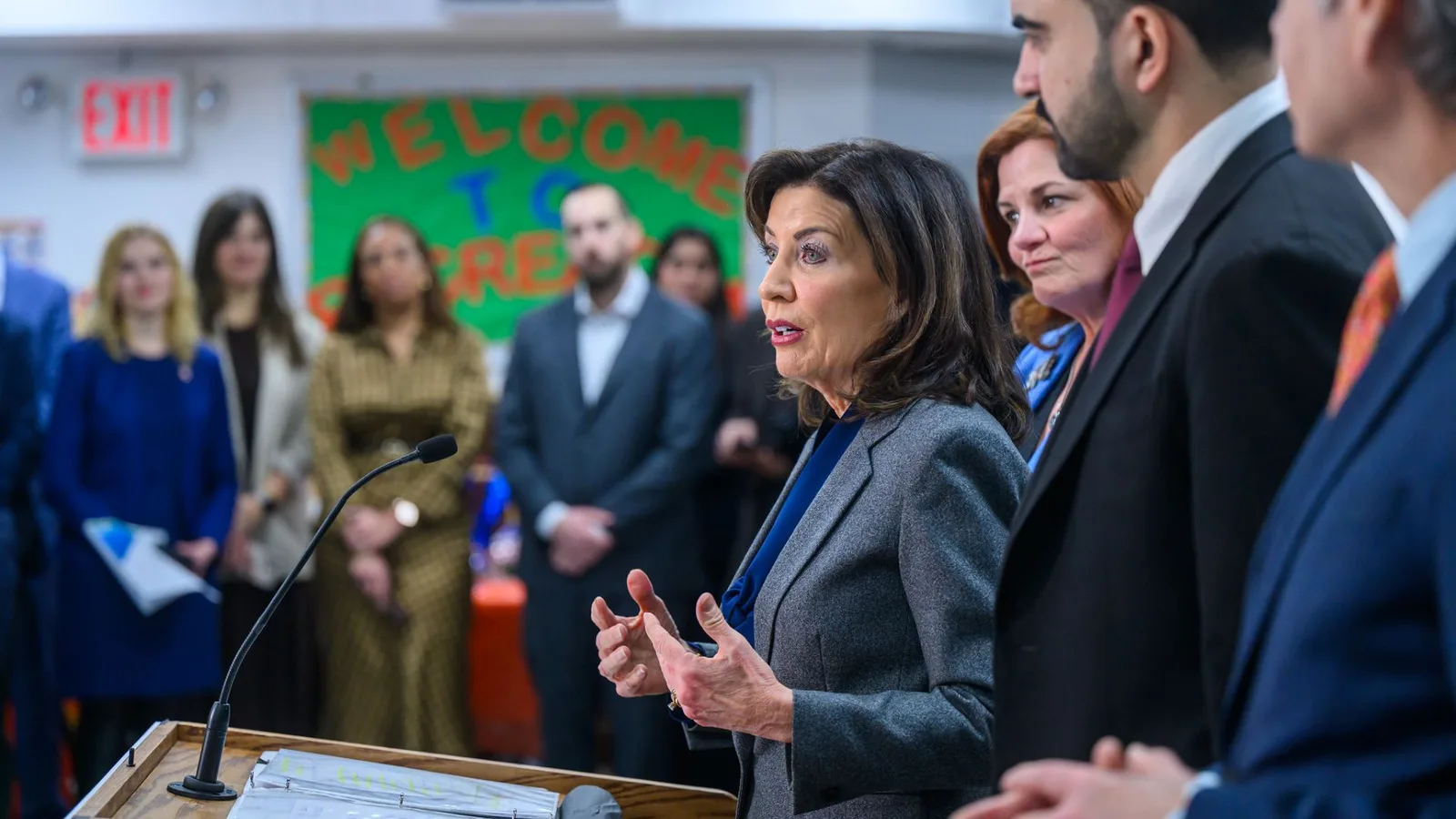
Language access enters one of the most critical spaces: hospitals. Under legislation signed by Governor Kathy Hochul, hospitals statewide were now required to implement language assistance programs.
As Hochul put it, “Everyone deserves the right to accessible health care, free from language barriers that prevent them from accessing the services they need.” This bill required certain elements including,
- Clear policies to quickly identify patients who need language support and ensure continued access
- Ongoing staff training and education
- Visible, easy-to-understand signage
- Documenting each patient’s language preference in their medical record
- Access to qualified interpreters and staff trained to support patients who are Deaf, hard of hearing, or have vision impairments
American Sign Language (ASL) Discussions
April 15, 2026
On National ASL Day, state representatives visited Rochester, NY to discuss expanding the law to include American Sign Language (ASL).
Not as an afterthought or as an accommodation. But recognized as a language.
The proposal includes ASL-translated videos for online government content, ensuring Deaf New Yorkers can access information directly, clearly, and independently.
These conversations and discussions matter because for years, sign language has been framed through the lens of disability. This moment reframes it as what it truly is: a fully recognized language, with its own structure, culture, and community.
What This Timeline Really Tells Us
Language access started with spoken languages. Four years later, the next step is clear: inclusion isn’t complete until it includes everyone, including those who communicate visually, not verbally.
This story isn’t finished but it is a reminder: who’s included in the conversation depends on which languages are provided.
So… How Many Countries Recognize Sign Language?
Today, the World Federation of the Deaf reports that 82 out of 195 countries (or 42.1%) officially recognize their national sign language. The inclusion of meaningful sign language legislation on both state and national levels supports Deaf peoples’ fundamental rights. New York’s next move has the potential to push inclusion forward.
Sources
13WHAM News. "Rochester Hosts Talks on National ASL Day, Expanding Access Statewide for Sign Language." 13WHAM, 13wham.com/news/local/rochester-hosts-talks-on-national-asl-day-expanding-access-statewide-sign-language
New York State Office of General Services. "New York State Language Access Law." OGS, ogs.ny.gov/new-york-state-language-access-law
New York State Governor's Office. "Governor Hochul Announces Launch of New Office of Language Access to Oversee Codified and Expanded Language Access Law." Governor of New York, www.governor.ny.gov/news/governor-hochul-announces-launch-new-office-language-access-oversee-codified-and-expanded
New York State Office of General Services. "Office of Language Access Annual Report 2022–2023." OGS, ogs.ny.gov/office-language-access-annual-report-2022-2023
New York State Office of General Services. "Office of Language Access Annual Report 2023–2024." OGS, ogs.ny.gov/office-language-access-annual-report-2023-2024
New York State Office of General Services. "Office of Language Access Annual Report 2024–2025." OGS, ogs.ny.gov/office-language-access-annual-report-2024-2025
New York State Governor's Office. "Governor Hochul Signs Legislation Requiring Language Assistance Programs in Hospitals Statewide." Governor of New York, www.governor.ny.gov/news/governor-hochul-signs-legislation-requiring-language-assistance-programs-hospitals-statewide
World Federation of the Deaf. "The Legal Recognition of National Sign Languages." WFD, wfdeaf.org/the-legal-recognition-of-national-sign-languages/