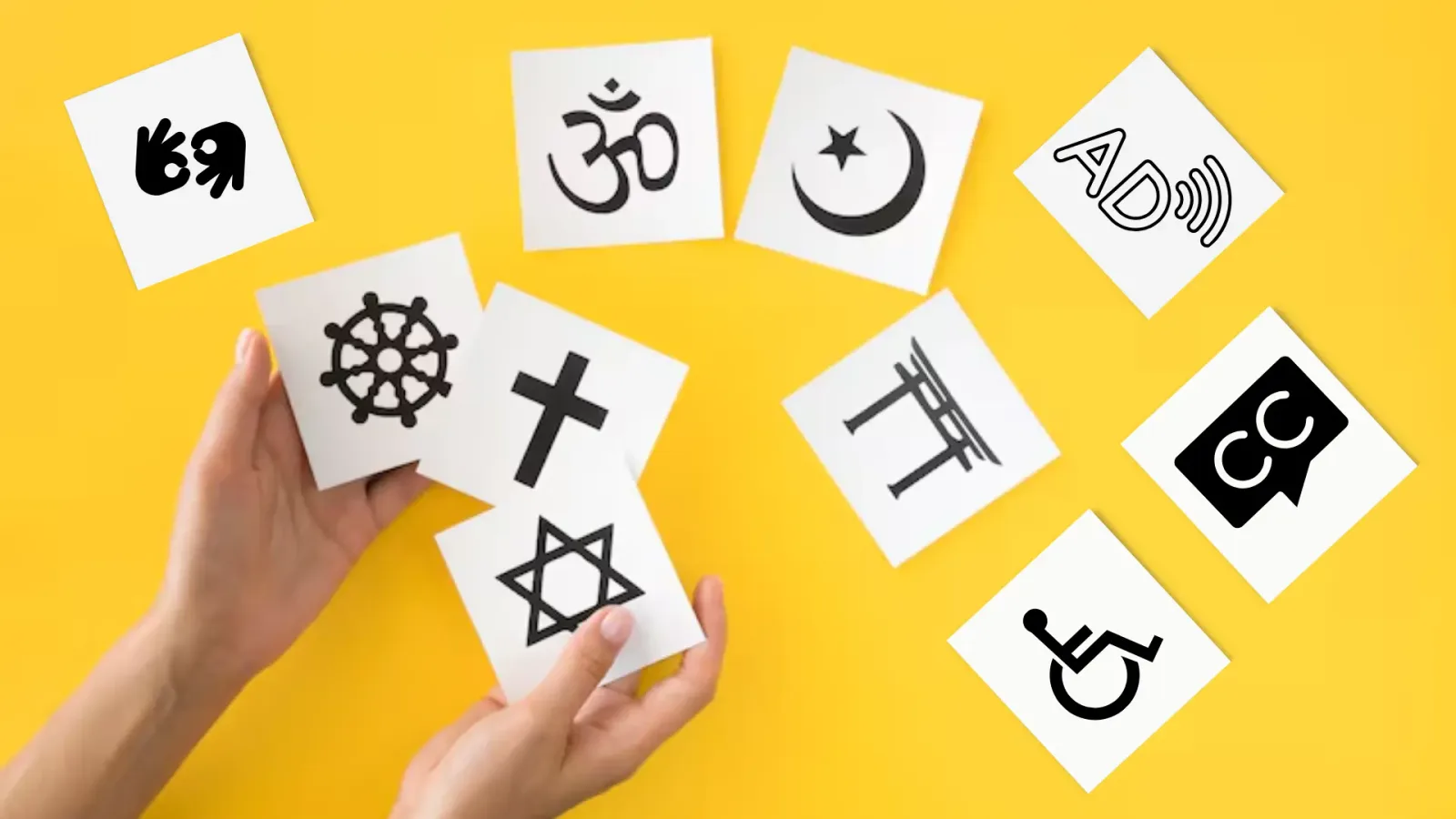
For many people, faith is not just a weekly ritual, it is a source of strength, purpose, and belonging. Places of worship are where individuals find community, hope, and connection to something greater than themselves. Whether in a church, mosque, synagogue, or temple, these are spaces meant to welcome everyone who seeks spiritual nourishment.
But for many Deaf and hard-of-hearing individuals, that welcome ends where access stops.
While most hearing people can choose among many congregations and denominations nearby, Deaf people often have a handful of options, or none, that offers full access through American Sign Language (ASL) interpretation.
"There are at least 10-15 churches (of various Christian denominations) within a ten-mile radius of my home. That is a lot of options for places of worship... if you can hear," shares one Deaf congregant. "Since I need ASL interpretation, my choices are very limited. Of these options, I only know of one church that provides ASL interpretation."
Why Quality Matters in Sign Language Interpretation
Even when interpretation exists, it’s often provided by a well-meaning volunteer or someone with limited sign skills who are not trained interpreters. Trained professionals are equipped to provide full, culturally and theologically accurate access, incorporating the critical nuances and depth of the language being used.
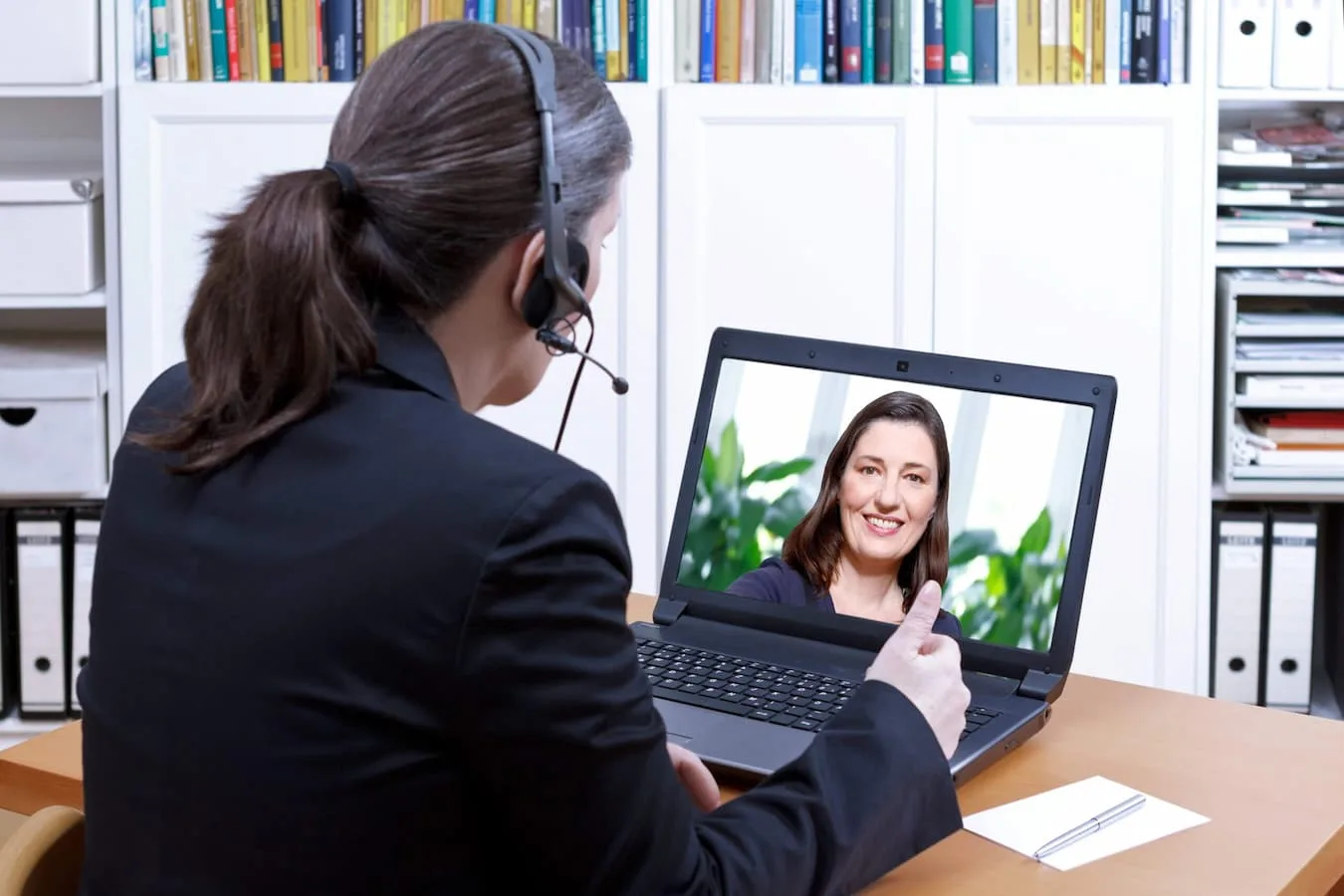
For Deaf worshippers, this can mean driving long distances just to attend an accessible service, accepting sub par services, or settling for online options "but nothing compares to in-person worship."
Too often, it means staying home - cut off from a vital part of their spiritual life.
The Cost of “Good Intentions”
Many faith communities genuinely want to be inclusive but hesitate to pay for professional interpreters, assuming volunteers will suffice. While well-intentioned, this approach often leaves Deaf attendees frustrated and disconnected due to poor quality.
Interpreting sacred language - prayers, readings, sermons, and songs - requires professional fluency, cultural understanding, and the ability to convey spiritual depth and emotion.
The congregant shared an experience that illustrates the frustration of poor quality: "I found only one church that provided interpretation. That interpreter had limited skills, and was probably a volunteer. The worship experience was very awkward and frustrating, and I stopped going after a couple of visits."
When interpretation is incomplete or inaccurate, Deaf participants experience only fragments of meaning. They may see hands moving, but the message - the comfort, the conviction, the shared emotion - is lost.
Using interpreters requires faith leaders to put a great deal of trust in interpreters. One Executive Pastor notes: “We spend a lot of time on what is said in services and we don’t want to chance that it is not communicated accurately. It’s a big responsibility. That is why we can’t just put that trust in anyone, but only in qualified interpreters.”
Without genuine access, the experience of worship that sustains so many becomes confusing and isolating. For some, that disconnection eventually leads to walking away from their community altogether.
Accessibility Is a Sacred Responsibility
Every faith tradition teaches compassion, justice, and inclusion. Across scriptures - from the Torah to the Quran to the Bible and beyond - believers are called to remove barriers that keep people from full participation in their spiritual life.
Providing qualified interpreters is not an act of charity; it is an act of faithfulness. It allows Deaf individuals to worship, learn, and belong alongside their hearing peers. In accessible spiritual spaces, Deaf members are not observers - they are to be active participants in the shared life of the community. “If we want to provide a place that is safe for all people, that means it has to be accessible.”
The Reality for Deaf Worshippers
In communities that don’t provide interpreters, Deaf individuals often face the painful choice of paying for their own access or going without.
The congregant’s next step was a testament to the depth of their faith: "Later, my family found a small non-denominational church and paid for an interpreter so I would have access to the service. We loved that church so much we chose to continue doing that for the remainder of the time we lived there. For many Deaf people, it would probably be a financial challenge to pay for their own interpreter on a weekly basis. But that is the reality of being a Deaf Christian in today's world."
Imagine having to choose between your faith and your ability to understand it, or having to personally fund your own access to a community that preaches radical inclusion.
How to Build Inclusive Communities of Faith
Here are steps every faith community can take to make good intentions a lasting reality:
- Budget for Qualified Interpreters. Treat accessibility as an essential, non-negotiable ministry expense. If you are going to say yes to people and needs, you need to be ready to put the resources in.
- Work with Certified Professionals. Hire interpreters with documented credentials and experience in religious settings. This builds the trust necessary to accurately convey the sacred message.
- Consult Deaf Members. Ask what helps them engage most fully — visibility, seating, lighting, or captioning. Access is best defined by those who need it.
- Educate your congregation. Promote awareness of Deaf culture, communication best practices, and the profound difference accessibility makes.
- Make accessibility visible. Let inclusion become something your community is known for, attracting and integrating Deaf participants.
Historically, many churches and religious organizations rely on grants and donations to cover accessibility services. A more sustainable approach is to plan and budget for interpreting services, making accessibility a built-in commitment.
Think of it this way: if the sound system failed right before Sunday service, you wouldn’t wait for a volunteer technician, you’d fix it immediately. The Deaf community deserves that same level of priority in your budget.
Making Belonging a Spiritual Practice
Offering access is more than a logistical choice. It is a spiritual statement, one that says: You belong here. Your faith matters. Your presence enriches us all.
Move from intention to action by making qualified ASL access a standard part of your community. Inclusive Communication Services (ICS) offers free accessibility consults to help you begin opening the doors to access.
When our faith communities reflect this truth, we not only break barriers, we live out the very heart of what it means to be people of faith.